Distilled Water for Car Batteries and Cooling Systems
Why mechanics use distilled water to top up batteries and mix coolant, and how to do it safely.
The quick answer
Why mechanics use distilled water to top up batteries and mix coolant, and how to do it safely.
In this guide
Distilled water is a staple in garages and workshops. Its low mineral content protects batteries and cooling systems from scale and corrosion.
Topping up lead-acid batteries
Non-sealed (serviceable) lead-acid batteries, found in some cars, leisure batteries, golf trolleys and forklifts, lose water over time. Topping up with tap water introduces minerals that can reduce performance and battery life.
- Wear eye protection and gloves. Battery acid is corrosive.
- Make sure the battery is cool and switched off.
- Remove the cell caps.
- Top up each cell with distilled water to the marked level, usually just covering the plates. Do not overfill.
- Refit the caps and wipe away any spills.
Sealed "maintenance-free" batteries should not be opened.
Mixing coolant
Many coolant concentrates are designed to be mixed with water, often 50/50. Using distilled water instead of hard tap water helps prevent scale building up in the radiator and engine passages.
- Check your vehicle handbook for the correct coolant type and ratio
- Only open the cooling system when the engine is completely cold
- Never mix different coolant types unless the manufacturer allows it
Other garage uses
- Screen wash mixing, for fewer streaks
- Final rinse when washing cars, to reduce water spots
- Steam cleaners
- Pressure washer detergent mixing
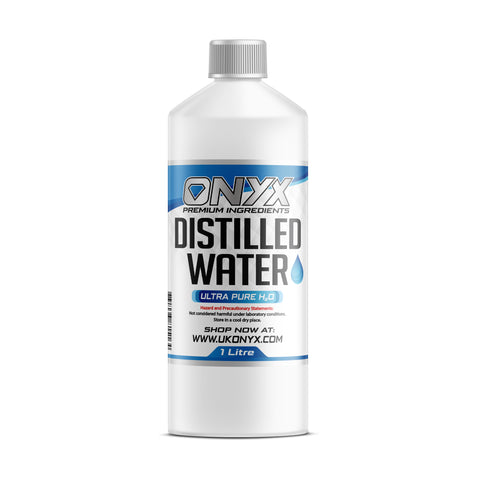
Shop: Distilled Water, Ultra Pure. The 4x5L is ideal for garages.
Always read the label and the safety data sheet, which you can download from each product page.
Shop this guide
The products mentioned
Free UK delivery over £30 · 30 day money back