Acetone vs Non-Acetone Nail Polish Remover: Which Is Better?
Pure acetone or a gentler non-acetone remover? We compare speed, nail care and what each works on.
The quick answer
Pure acetone or a gentler non-acetone remover? We compare speed, nail care and what each works on.
In this guide
Walk down any beauty aisle and you will see both acetone and non-acetone removers. They work differently, and the right choice depends on what you are removing.
Acetone removers
Acetone is a powerful solvent that dissolves nail polish, gel polish and acrylic quickly.
- Fastest removal of regular polish
- Essential for soak-off gel and acrylic
- Removes dark, glitter and long-wear polishes easily
- Can dry out nails and cuticles, so follow with oil or cream
Non-acetone removers
These usually use ethyl acetate or similar solvents, often with added conditioners.
- Gentler smell and feel
- Fine for regular polish, but slower
- Will not effectively remove gel or acrylic
- Needed for some press-on and soft-gel tips that acetone would damage
Which should you choose?
- Gel, acrylic, glitter or dark colours: acetone.
- Occasional regular polish and dry nails: either works. Acetone is quicker, so you use less.
- Press-ons you want to reuse: non-acetone.
Making acetone kinder to your nails
- Use a soaked pad and press for a few seconds rather than scrubbing hard
- Wash your hands straight afterwards
- Apply cuticle oil or hand cream every time
Safety
Acetone is highly flammable and the vapour can irritate, so use it in a ventilated room away from flames. Keep the cap closed and store it away from children.
Always read the label and the safety data sheet, which you can download from each product page.
Shop this guide
The products mentioned
Free UK delivery over £30 · 30 day money back
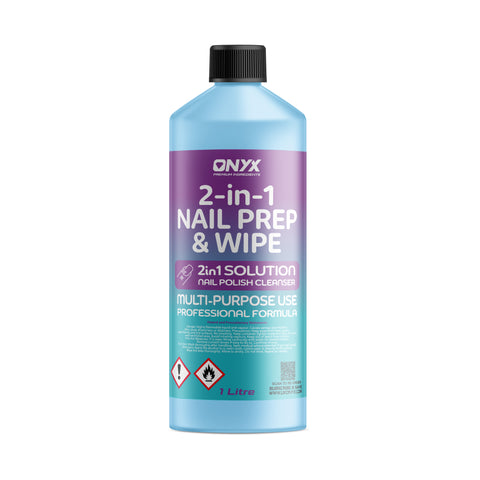
Solution de préparation et de nettoyage des ongles pour ongles
8 sizes, 100 ml to 4 x 5 Litre
From £1.99
Choose size