Acetone 99.5%: 10 Uses Beyond Nail Polish Remover
Acetone is a powerful all-round solvent. Here are 10 practical uses in the workshop, studio and home.
The quick answer
Acetone is a powerful all-round solvent. Here are 10 practical uses in the workshop, studio and home.
In this guide
Most people know acetone as nail polish remover, but at 99.5% purity it is a fast, effective solvent for many other jobs.
- Cleaning paint brushes used with oil-based and some lacquer paints.
- Removing permanent marker from glass, metal and some hard surfaces.
- Removing superglue from skin and hard surfaces. Dab on, wait, then gently peel. Wash well afterwards.
- Degreasing metal parts before painting or bonding.
- Cleaning epoxy and resin tools before the resin cures.
- Removing adhesive residue from glass and metal.
- Cleaning fibreglass work and polyester resin tools.
- Smoothing ABS 3D prints with careful vapour smoothing (see our separate guide).
- Removing scuffs from some hard surfaces, but test first.
- Thinning certain paints and lacquers, where the manufacturer recommends it.
Surfaces to avoid
Acetone dissolves or damages many plastics (including acrylic and polystyrene), varnished or painted wood, synthetic fabrics such as acetate, and some laminates. Always test in a hidden spot first.
Safety essentials
- Highly flammable. Keep away from flames, sparks, hot surfaces and smoking
- Use outdoors or in a well-ventilated room
- Wear nitrile or butyl gloves and eye protection for larger jobs
- Use glass or metal containers
- Store sealed, cool and away from children
Shop: Acetone 99.5%, available up to 4x5L for workshops.
Always read the label and the safety data sheet, which you can download from each product page.
Shop this guide
The products mentioned
Free UK delivery over £30 · 30 day money back
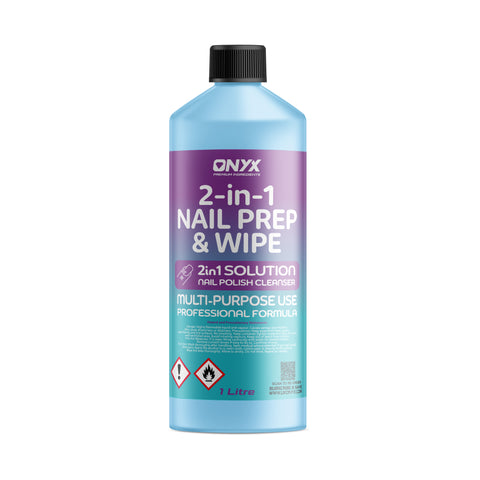
Solution de préparation et de nettoyage des ongles pour ongles
8 sizes, 100 ml to 4 x 5 Litre
From £1.99
Choose size